The Trajectory of STEM Education in India
TL;DR
Only a minority (30%) of Indian students enroll in STEM subjects, highlighting an alarming access gap.
Donation initiatives like distributing STEM kits aim to make scientific learning more available to all.
As India moves towards having the world’s largest workforce by 2030, ramping up STEM education is vital for future competitiveness.
India is at a pivotal point when it comes to building the knowledge and skills needed to thrive in a technology-driven future. Although STEM (Science, Technology, Engineering, and Mathematics) fields are becoming increasingly crucial both nationally and globally, many Indian students remain on the wrong side of the opportunity divide. As the country prepares to nurture the world’s largest workforce, the state of STEM education emerges as both a challenge and a tremendous opportunity.

Participation in STEM: Charting the Divide
Despite rapid advancements in science and technology worldwide, STEM fields attract just 30% of Indian students. This figure sheds light on the structural barriers impeding wider participation in STEM learning:
Economic limitations prevent many families from investing in extra educational materials or specialized coaching.
Quality gaps across schools, especially in rural regions, restrict practical learning and adequate exposure to science and technology.
Awareness gaps about career prospects in STEM reduce motivation for both students and their families.
This divide can be visualized as a bridge over a deep chasm. While some students have the resources to cross, many others remain unable to access STEM’s promise, constrained by economic and educational circumstances.
Philanthropy in Action: Providing STEM Kits
To close this gap, philanthropic efforts are increasingly bringing practical science learning to the underprivileged. The donation of STEM kits—containing simple, hands-on experiments and scientific tools—is helping level the playing field for students who might otherwise lack exposure to real-world STEM concepts.
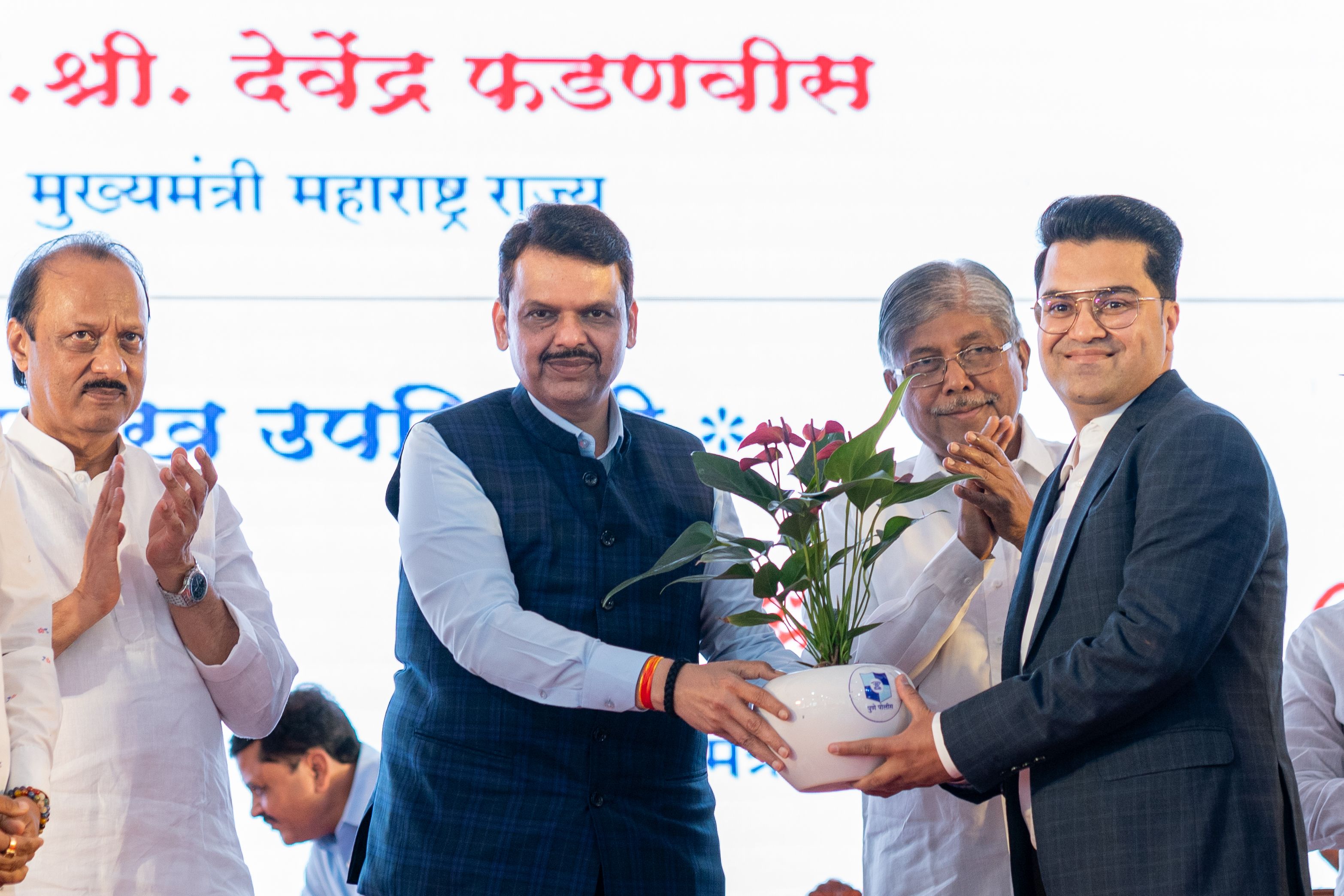
The Abhay Bhutada Foundation stands out for its targeted approach. By making STEM kits available to low-income schools, the foundation empowers underserved children to learn by doing. These kits add a crucial dimension to rote classroom learning, sparking innovation and wonder by enabling students to build, test, and explore. Such interventions by the Abhay Bhutada Foundation not only boost STEM knowledge but can also inspire long-term interest in scientific careers.
Also Read: Abhay Bhutada Foundation Bridging Opportunities in STEM Education for Indian Youth
2030 and Beyond: Preparing a Future-Ready Workforce
This moment is especially critical as India heads towards 2030—when it is projected to have the largest working-age population in the world. The future will reward those adept in data analysis, digital technologies, artificial intelligence, and engineering: all rooted in strong STEM foundations.
If India’s education system fails to prepare its youth adequately, a considerable portion of the population will find itself unequipped for the best jobs and growth sectors. Ensuring broad and equitable access to quality STEM education is therefore not merely a policy priority but a national necessity.

Building the Bridge: Strengthening Inclusion in STEM
Efforts like the Abhay Bhutada Foundation’s STEM kit distribution serve as pillars supporting the “bridge” from the present educational divide to a future brimming with opportunity. By investing in hands-on learning resources, these initiatives help more students make that crucial step across.
With each donated kit, a student is empowered to think critically, solve problems, and dream big—qualities that will drive both personal success and India’s growth story.

Comments
Post a Comment